Coaching Under Pressure: What Elite Coaches Do Differently
Coach composure, build trust, and improve decision-making when stakes are high, using principles-based self-awareness used by Olympic and Paralympic coaches.
March 10, 2026 • 11:00am Eastern Time
60-Minute Live Session 100% Complimentary
When Pressure Hits, Coaching Changes
Pressure does not just intensify performance. It changes how people interpret feedback, make decisions, communicate, and relate to each other. In high-stakes moments, even capable leaders can become reactive, misread intent, and fall back into patterns that reduce trust and limit options.
For coaches, that shift can be subtle. A conversation that would normally feel calm and constructive can quickly become tense, defensive, or overly tactical. Teams can lose cohesion. The work can drift toward managing symptoms instead of addressing what is truly driving behavior.
Elite sport environments are a proving ground for this. Olympic and Paralympic systems demand performance while protecting psychological and physical well-being, because both are essential to sustained excellence. Coaches operating in that reality develop practical ways to stay grounded, see patterns clearly, and create trust when it matters most.
This masterclass brings that lens to leaders and teams.
Recognize the coaching patterns that surface when stakes rise, so you can respond with more choice in the moment.
Coach for trust and candor under pressure, even when the room gets tense, defensive, or overly tactical.
Learn how Olympic and Paralympic coaches navigate high-stakes environments without losing clarity, cohesion, or humanity.
Apply Principles-based self-awareness to make cleaner decisions about timing, challenge, and support in real coaching conversations.
Coaching Under Pressure: What Elite Coaches Do Differently
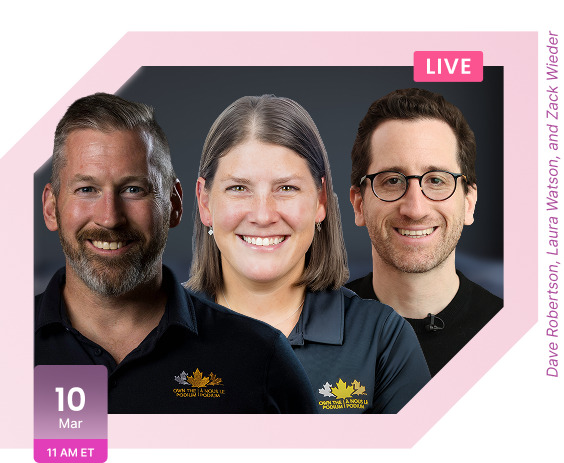
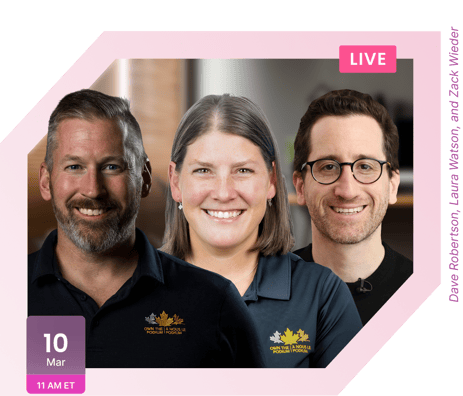
In this 60-minute live conversation, Principles CEO Zack Wieder leads a practical discussion with Own the Podium coaches who work in Olympic and Paralympic contexts. You will hear real examples and leave with coaching moves you can use immediately with leaders and teams under pressure.
You’ll also see how PrinciplesYou, developed at Principles (co-founded by Ray Dalio) and built in partnership with psychologists including Dr. Adam Grant, supports coaching under pressure.
60-Minute Live Training 100% Complimentary
What You'll Learn in this Masterclass:
Composure Under Stress
Build steadiness in the moment so you can coach clearly when emotions and stakes are high.
Pattern Recognition
Identify the underlying drivers of behavior so your coaching stays focused on what is actually happening.
Trust Under Pressure
Strengthen safety and candor so clients and teams can have the conversations pressure usually shuts down.
Cohesion Across Differences
Reduce friction by helping teams understand differences and coordinate more effectively.
Coaching That Transfers
Apply what elite coaches do in high-performance sport to leaders and teams in real workplace stakes.
Tools In Context
See how principles-based self-awareness tools are used to support coaching conversations, not replace them.
Who Should Join this Masterclass:
You coach leaders or teams who operate in high-stakes, high-visibility environments
You see pressure create defensiveness, conflict, or “stuckness” in decision-making
You want practical ways to build trust and cohesion, not just insight
You are curious how Olympic and Paralympic coaching approaches translate to business settings
Masterclass Presenters

Zack Wieder (Host)
CEO of Principles. Zack co-founded Principles with Ray Dalio and led the development of PrinciplesYou, a personality assessment built in partnership with leading psychologists including Dr. Adam Grant, Brian Little, and John Golden.
David Robertson (Guest)
Coach, Own the Podium. David brings experience from high-performance Olympic and Paralympic environments and shares how elite coaches build clarity, trust, and performance under pressure.
Laura Watson (Guest)
Coach, Own the Podium. Laura shares practical coaching insights from Olympic and Paralympic contexts, with a focus on the human factors that sustain performance when stakes are highest.